
防靜電袋
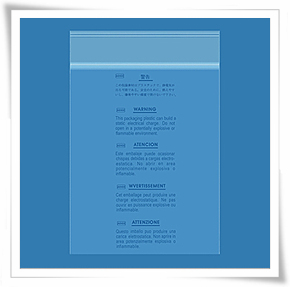
品名: 警告標語袋
抗靜電袋(Anti-static bag)和防靜電袋(ESD bag)是一種用來防止靜電干擾的袋子。它們通常由具有防靜電特性的材料製成,如防靜電聚乙烯(PE)或防靜電聚丙烯(PP)等。這些袋子可以用於包裝各種靜電敏感的產品,如集成電路、半導體、電腦零部件、電子設備等。
防靜電袋|電子零件、IC與精密元件包裝的重要防護
防靜電袋是電子產業、半導體產業、精密設備及各種電子零組件包裝中常見的功能性包裝材料。電子產品在生產、組裝、搬運、倉儲及運輸過程中,可能因人體、設備、塑膠材料或物體摩擦而產生靜電。如果靜電放電(Electrostatic Discharge,ESD)作用在敏感電子元件上,就可能造成產品損壞、功能異常或可靠度下降。
因此,IC晶片、PCB電路板、記憶體模組、半導體元件、感測器及各種精密電子零件,在包裝時不能只考慮袋子的尺寸與厚度,還需要依產品的靜電敏感程度選擇適合的防靜電袋。
對電子零件製造商、設備廠及零組件供應商而言,選擇適當的ESD包裝,可以成為產品從生產線到客戶端之間的重要防護措施。
什麼是防靜電袋?
防靜電袋是針對靜電敏感產品所設計的特殊包裝袋。
一般塑膠材料在摩擦、接觸與分離的過程中可能產生靜電,而防靜電袋則透過材料配方、表面處理或多層結構等方式,使包裝具有抗靜電、靜電消散、導電或靜電屏蔽等特性。
需要注意的是,「防靜電」是一個廣泛稱呼,不同防靜電袋的材料結構與ESD防護能力並不完全相同。因此,採購時應依電子元件的敏感程度、包裝方式及實際作業環境確認規格,而不是單純依袋子的顏色或外觀判斷。
為什麼電子零件需要使用防靜電袋?
電子產品持續朝小型化、高密度及精密化發展,許多電子元件對靜電放電相當敏感。
更麻煩的是,部分靜電造成的損傷不一定會讓零件立即完全失效,有些可能在後續測試或實際使用一段時間後才出現異常。
因此,從電子元件完成生產之後的分類、倉儲、組裝、搬運到出貨,都應依實際ESD管理需求建立適合的防護措施。
防靜電袋就是其中相當常見的一環。
防靜電袋有哪些常見種類?
市場上的防靜電袋可以依材料及功能分成不同類型。
例如抗靜電袋主要用於降低袋體本身產生與累積靜電的可能;靜電消散材料則能讓電荷以受控制的方式消散;導電袋具有不同的導電特性;另外還有加入金屬化結構的靜電屏蔽袋,用於需要更高ESD防護等級的產品。
因此,抗靜電袋、導電袋與靜電屏蔽袋並不能完全視為相同產品。
企業在詢問防靜電袋製造商時,最好直接說明要包裝的產品及ESD防護要求,再選擇適合的材料結構。
防靜電夾鏈袋有什麼優點?
防靜電袋如果加入夾鏈設計,就能兼具ESD防護與重複開關的便利性。
防靜電夾鏈袋特別適合電子零件分類、工程樣品、維修零件、庫存備品及需要多次取用的產品。
作業人員可以在取出部分零件後重新將袋口封合,不需要每次開袋後重新使用新的包裝袋。
對電子工廠而言,也可以搭配料號標籤、ESD警示標誌或其他識別方式,提高倉儲及生產管理效率。
防靜電袋常用在哪些產品?
防靜電袋廣泛應用於各種靜電敏感產品,例如IC晶片、PCB電路板、記憶體模組、LED相關元件、感測器、連接器、電子模組、電腦零組件及精密電子設備零件等。
半導體、電子製造、通訊設備、電腦周邊、自動化設備、精密儀器及部分醫療電子設備產業,也可能有防靜電包裝需求。
不過,不同產品的ESD敏感程度不同,不能因為同樣屬於「電子零件」就全部使用完全相同的防靜電袋。
防靜電袋尺寸與厚度怎麼選?
選擇防靜電袋時,首先要確認產品的長、寬、高與重量。
袋子太小可能造成產品裝入困難,甚至使元件受到擠壓;袋子過大則可能增加材料使用量,也容易讓產品在袋內移動。
厚度則要考慮內容物重量、尖角、運輸方式及使用次數。
例如PCB電路板、金屬電子模組或具有突出接腳的零件,除了ESD性能之外,也需要考慮袋體的機械強度與耐穿刺需求。
因此,企業大量採購之前,最好將產品尺寸、重量及包裝方式提供給防靜電袋工廠評估。
防靜電袋可以客製化嗎?
具有固定大量需求的企業,可以依產品條件評估防靜電袋訂製。
客製項目可以包括袋子尺寸、厚度、袋型、夾鏈設計及印刷內容等,實際可製作規格則需依材料、製程及訂購數量確認。
例如袋面可以依需求評估印製ESD警示標誌、產品名稱、公司LOGO、料號或注意事項,讓包裝除了保護產品,也能協助產品識別及倉儲管理。
防靜電袋不能取代完整ESD管理
這一點對電子工廠尤其重要。
防靜電袋是ESD防護系統中的一部分,但不能認為只要把電子零件放進防靜電袋,就能解決所有靜電問題。
實際生產環境還可能需要搭配防靜電工作桌、接地系統、腕帶、防靜電容器、工作服、環境控制及相關作業流程。
只有從生產、包裝、倉儲到運輸建立完整管理方式,才能降低靜電對敏感電子產品造成的風險。
如何選擇防靜電袋製造商?
企業尋找防靜電袋工廠時,不應只比較單價。
更重要的是確認製造商能否依產品用途提供適合的材質、尺寸、厚度及袋型,並確認相關防靜電規格是否符合客戶實際要求。
如果有長期大量使用需求,也應考慮客製能力、印刷需求、生產穩定性及供貨能力。
選對防靜電袋,才能讓電子元件從生產、倉儲、運輸到交付客戶的過程中,獲得符合需求的包裝保護。
防靜電袋FAQ|常見問題完整解答
Q1:什麼是防靜電袋?
防靜電袋是一種針對靜電敏感產品所設計的功能性包裝袋,主要用於降低靜電產生、累積或靜電放電對產品造成損害的風險。依材料及結構不同,可以具有抗靜電、靜電消散、導電或靜電屏蔽等不同功能,因此實際選購時需要依產品需求確認規格。
Q2:ESD是什麼?
ESD是Electrostatic Discharge的縮寫,中文通常稱為「靜電放電」。當不同電位的物體接觸或接近時,累積的電荷可能快速釋放。對人體而言,有些微小的靜電可能沒有明顯感覺,但對敏感電子元件而言,卻可能造成損害。
Q3:防靜電袋和一般塑膠袋有什麼不同?
主要差異在於靜電控制能力。一般塑膠袋主要提供基本的包裝、分類、防塵等功能,並不代表具有ESD防護性能。防靜電袋則會依用途採用特殊材料、添加劑、表面處理或多層結構,使袋子具有特定的靜電控制特性。
Q4:哪些產品需要使用防靜電袋?
常見包括IC晶片、PCB電路板、半導體元件、記憶體模組、感測器、LED元件、電子模組及其他靜電敏感零件。不過,每一種產品的ESD敏感程度不同,實際應使用哪一種防靜電袋,仍應依元件規格及客戶的ESD管理要求判斷。
Q5:防靜電袋和抗靜電袋一樣嗎?
日常採購時這兩個名稱有時會混用,但從功能上來看,防靜電袋可以視為較廣泛的稱呼,而抗靜電只是其中一種性能。不同袋材可能具有抗靜電、靜電消散、導電或屏蔽能力,因此企業採購時最好確認實際性能要求,而不是只確認產品名稱。
Q6:什麼是防靜電夾鏈袋?
防靜電夾鏈袋是在具有靜電控制功能的袋體上加入可重複開關的夾鏈結構。這種袋型特別適合電子零件分類、維修備品、工程樣品及需要重複取用的產品。使用後可以再次壓合袋口,方便倉儲及零件管理。
Q7:防靜電袋可以重複使用嗎?
部分防靜電夾鏈袋可以重複使用,但能否繼續使用不能只看袋子外觀。袋體如果出現破損、污染、刮傷或材料性能已不符合要求,就應更換。對ESD敏感度較高的產品,企業最好依自己的品質管理及ESD規範制定使用與更換標準。
Q8:防靜電袋通常是什麼顏色?
市場上可以看到透明、粉紅、黑色、銀灰色及其他外觀的ESD包裝材料。但顏色只能作為產品識別的一部分,不能單純依顏色判定實際ESD性能。真正重要的是材料結構、表面電阻或相關性能規格是否符合使用需求。
Q9:銀色防靜電袋有什麼不同?
常見的銀灰色袋可能屬於金屬化靜電屏蔽袋,透過多層材料及金屬化結構提供不同程度的靜電屏蔽效果,常見於較敏感電子元件包裝。但不同製造商的產品結構可能不同,不能只看到銀色外觀就直接判定防護等級。
Q10:防靜電袋尺寸怎麼選?
建議依產品實際長、寬、高決定,並預留裝入、取出與封口所需要的空間。如果產品具有連接器、接腳或突出結構,也需要考慮是否容易刺傷袋體。大量訂製之前,可以將產品尺寸及樣品提供給防靜電袋製造商評估。
Q11:防靜電袋是不是越厚越好?
不是。厚度主要影響袋體的機械強度及使用感受,但防靜電性能還與材料及結構有關。因此不能單純認為「袋子越厚,防靜電效果越好」。應同時考慮ESD性能、產品重量、尖角、運輸方式及使用環境。
Q12:防靜電袋可以包裝PCB電路板嗎?
可以,但應依PCB上電子元件的ESD敏感程度及運輸、倉儲條件選擇適當包裝。對較敏感的電路板,可能需要具有更完整靜電屏蔽能力的包裝,而不能只使用一般塑膠袋或僅具有基本抗靜電特性的袋子。
Q13:防靜電袋可以包裝半導體產品嗎?
半導體元件是防靜電包裝的重要應用之一。不過半導體產品種類非常多,不同元件對ESD的敏感程度也不同,因此應依產品規格、客戶要求及相關ESD管理標準選擇適當袋材。
Q14:防靜電袋可以印刷嗎?
部分防靜電袋可以依材料及製程評估印刷。企業常見需求包括公司LOGO、ESD警示標誌、產品名稱、料號、注意事項或其他識別資訊。實際印刷顏色、位置、數量及製作方式,需依袋材與生產條件確認。
Q15:防靜電袋可以客製尺寸嗎?
可以依製造商的設備、材料及生產條件評估客製。企業可以提供產品尺寸、袋子需求尺寸、厚度、數量、封口方式、印刷需求及ESD性能要求,讓防靜電袋工廠進一步評估適合的規格。
Q16:防靜電袋可以完全防止靜電損害嗎?
不能把任何單一包裝材料理解成百分之百避免所有ESD問題。防靜電袋只是完整靜電控制系統的一部分。電子工廠仍應依需求搭配人員接地、防靜電工作區、設備接地、適當容器及標準作業程序,建立完整的ESD管理。
Q17:防靜電袋適合長途運輸嗎?
可以作為電子產品運輸包裝系統的一部分,但仍需依產品特性搭配適當的外箱、緩衝、防潮及固定措施。防靜電袋主要處理ESD相關風險,並不能取代防撞、防摔及其他物流保護材料。
Q18:大量採購防靜電袋前要提供哪些資料?
建議提供包裝產品種類、產品尺寸、單袋數量、重量、ESD防護要求、袋子尺寸、厚度、封口方式、是否需要夾鏈、是否需要印刷以及預計訂購數量。如果有客戶指定的ESD性能或測試要求,也應在詢價階段一併提出。
Q19:如何判斷防靜電袋品質?
不能只從顏色、透明度或厚度判斷。企業採購時應依自身ESD要求確認袋材的相關性能、規格與測試資料,同時檢查袋體加工、封邊、夾鏈及尺寸是否穩定。對大量使用的企業而言,批次品質的一致性也相當重要。
Q20:如何選擇防靜電袋工廠?
可以從產品製造經驗、材料選擇、客製能力、尺寸與厚度範圍、印刷加工、生產穩定性及供貨能力等方面評估。最重要的是先清楚告知「要包裝什麼產品」以及「需要什麼程度的ESD防護」,再由防靜電袋製造商依實際條件討論適合的包裝規格。
防靜電袋種類、功能與用途比較
防靜電袋可依靜電防護需求、袋體結構及使用環境分為不同類型。電子零件、IC晶片、PCB電路板、記憶體模組及精密電子元件對靜電敏感程度不同,因此選購防靜電袋時,應依實際產品及使用條件選擇適合的包裝方式。
| 防靜電袋種類 | 主要功能 | 常見用途 | 適用產品 | 選購重點 |
|---|---|---|---|---|
| 抗靜電袋 | 降低袋體摩擦產生與累積靜電 | 電子零件包裝、短期存放 | 一般電子元件、零件 | 確認抗靜電需求、尺寸與厚度 |
| 防靜電PE袋 | 結合PE袋柔韌性與抗靜電需求 | 電子工廠零件分類、包裝 | 電子零件、連接器、小型元件 | 注意材質、厚度及抗靜電性能 |
| 防靜電夾鏈袋 | 可重複開關,方便零件取用與管理 | 生產線、維修、倉儲分類 | IC、電子零件、小型精密元件 | 適合需要反覆取用的產品 |
| 導電袋 | 協助電荷導出,降低靜電累積 | 電子製造及特殊零件包裝 | 電路板、電子模組 | 應依產品靜電敏感程度評估 |
| 靜電屏蔽袋 | 利用多層結構降低外部靜電場影響 | 高敏感電子元件包裝 | IC晶片、PCB、精密電子零件 | 注意袋體結構及實際防護需求 |
| ESD袋 | 電子產業靜電防護包裝的統稱 | 生產、倉儲、物流、出貨 | 半導體、電子零件、通訊元件 | 應依ESD防護需求選擇袋型 |
| 客製防靜電袋 | 可依產品調整尺寸、厚度與印刷 | OEM、ODM、電子零件大量包裝 | 各類電子及精密零件 | 詢價時提供尺寸、厚度、數量及印刷需求 |
防靜電袋怎麼選?
選擇防靜電袋時,不應只看袋子的尺寸與價格,而應先確認包裝物的靜電敏感程度、產品尺寸與重量、儲存時間、運輸環境,以及是否需要重複開啟。
若為一般電子零件分類與短期存放,可依實際需求評估抗靜電袋;若產品需要在生產線上反覆取用,可考慮具有夾鏈設計的防靜電夾鏈袋;對於IC晶片、PCB電路板及其他高靜電敏感元件,則應依產品ESD防護要求評估適合的包裝結構。
企業需要訂製防靜電袋時,建議詢價前提供產品種類、袋子寬度與長度、厚度、數量、使用環境及印刷需求,以利評估適合的防靜電袋規格。
防靜電袋客製規格參考
防靜電袋可依電子零件尺寸、產品重量、包裝方式及印刷需求進行規格評估。以下為目前產品製作規格參考:
| 項目 | 規格參考 |
|---|---|
| 產品類型 | 防靜電袋、抗靜電袋、電子零件包裝袋 |
| 材質 | PE透明夾鏈袋 |
| 寬度範圍 | 100~1000 mm |
| 長度範圍 | 140~500 mm |
| 厚度範圍 | 0.06~0.12 mm |
| 袋口 | 依產品規格評估 |
| 印刷 | 可依需求印刷警告標語 |
| 印刷顏色 | 單面1色等規格 |
| 適用產品 | 電子零件、IC、PCB、精密零件及相關產品 |
| 客製項目 | 尺寸、厚度、印刷及包裝規格可依需求評估 |
實際防靜電袋規格需依產品用途及靜電防護需求確認,如有特殊尺寸、厚度或印刷需求,建議提供產品規格及預計使用方式進行評估。