您的瀏覽器版本已過時。我們建議您更新瀏覽器到最新版本。

電話:05-5840343 

傳真:05-5840385 

chen.sh@msa.hinet.net

食品包裝袋


品名: 水餃袋 (食品包裝袋)
材質: PE一般透明夾鏈袋
尺寸範圍: 寬 100 mm~ 400 mm
長 140 mm~ 300 mm
厚 0.045 mm~ 0.1 mm
包裝用途: 各種水餃
印刷顏色: 橘色
條件: 1.加紅線
2.夾鏈下中央打一洞


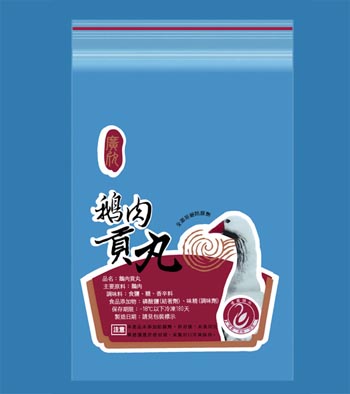
品名: 鵝肉貢丸袋 (食品包裝袋)
材質: PE一般透明夾鏈袋
尺寸範圍: 寬 70 mm~ 350 mm
長 100 mm~ 400 mm
厚 0.05 mm~ 0.1 mm
包裝用途: 鵝肉貢丸
印刷顏色: 白、咖啡、紅、黑單面4色
條件: 1.加紅線
2.難套色


食品包裝袋
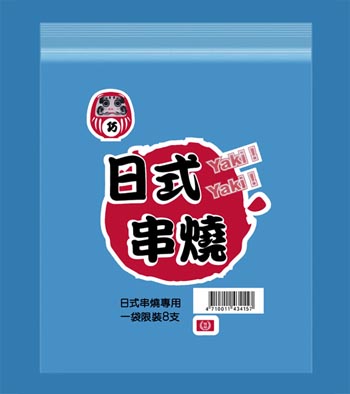
品名: 串燒袋  (食品包裝袋)
材質: PE一般透明夾鏈袋
尺寸範圍: 寬 70 mm~ 400 mm
長 100 mm~ 500 mm
厚 0.055 mm~ 0.12 mm
包裝用途: 日式串燒
印刷顏色: 白、紅、黑單面3色
條件: 1.深淺版
2.難套色


食品包裝袋
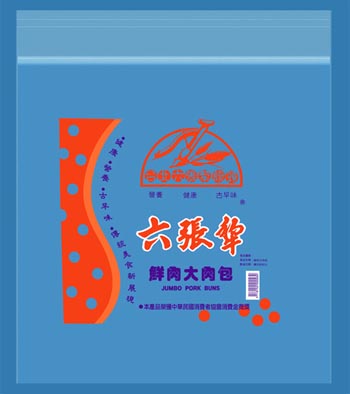
品名: 肉包袋  (食品包裝袋)
材質: PE一般透明夾鏈袋
尺寸範圍: 寬 200 mm~ 500 mm
長 250 mm~ 500 mm
厚 0.06 mm~ 0.12 mm
包裝用途: 肉包
印刷顏色: 白、淺橘、橘、藍單面4色
條件: 1.袋口長40~50m/m


食品包裝袋
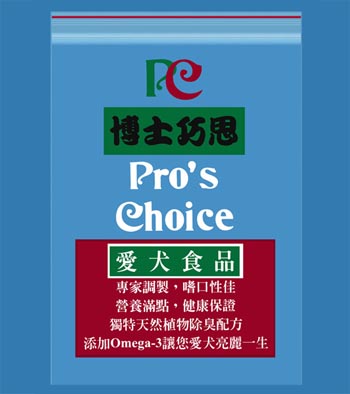
品名: 犬飼料袋 (食品包裝袋)
材質: PE一般透明夾鏈袋
尺寸範圍: 寬 100 mm~ 400 mm
長 140 mm~ 500 mm
厚 0.055 mm~ 0.12 mm
包裝用途: 各種水餃
印刷顏色: 橘色
條件: 1.加紅線
2.夾鏈下中央打一洞


食品包裝袋

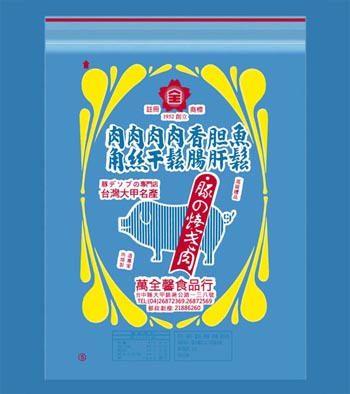
品名: 肉鬆袋  (食品包裝袋)
材質: PE一般透明夾鏈袋
尺寸範圍: 寬 100 mm~ 300 mm
長 140 mm~ 400 mm
厚 0.045 mm~ 0.1 mm
包裝用途: 肉角、肉絲、肉鬆、香腸、膽肝、魚鬆
印刷顏色: 白、黃、藍、紅單面4色
條件: 1.加紅線
2.難套色
3.深淺版


食品包裝袋

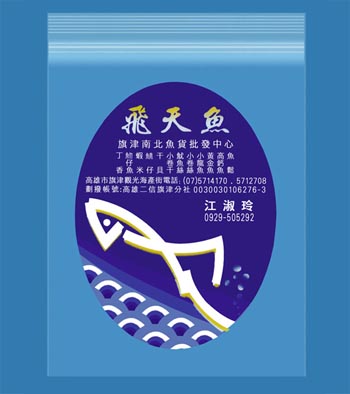
品名: 魚鬆袋  (食品包裝袋)
材質: PE一般透明夾鏈袋
尺寸範圍: 寬 70 mm~ 350 mm
長 100 mm~ 400 mm
厚 0.05 mm~ 0.1 mm
包裝用途: 魚鬆、小魚干、蝦米
印刷顏色: 白、黃、藍單面3色
條件: 1.難套色
2.深淺版

食品包裝袋是現代食品產業中不可或缺的重要元素,它不僅保護食品免受污染與損壞,還影響產品的保存期限、運輸安全以及消費者的購買決策。隨著消費者對食品安全與便利性的重視,食品包裝袋的設計與功能也日益多樣化與專業化。

食品包裝袋的首要功能是保鮮與防護。通過阻隔空氣、水氣、光線與微生物入侵,包裝袋能有效延長食品的保質期。常見的材質包括聚乙烯(PE)、聚丙烯(PP)、尼龍(PA)、鋁箔複合膜等,這些材料可根據食品特性進行選擇與搭配,提升包裝的密封性與阻隔性。

食品包裝袋的類型多樣,例如:

夾鏈袋:具可重複封口功能,適合堅果、零食、茶葉等多次取用的食品。

真空袋:常用於生鮮肉品與冷凍食品,抽除空氣以延緩腐敗。

鋁箔袋:具高度阻光與防潮特性,常用於咖啡、藥草等需要避光保存的產品。

自黏袋與熱封袋:適用於糖果、餅乾、麵包等短期消費食品,封口簡便且製作成本低。

除了功能性,食品包裝袋的設計也直接影響消費者的印象與購買意願。現代設計趨勢強調視覺吸引力、透明開窗、簡潔標示與環保標章,提升品牌形象與市場競爭力。

隨著環保意識抬頭,可回收與可降解的食品包裝袋也逐漸受到關注。不少企業開始使用PLA(聚乳酸)等生物可分解材料,或推出減塑包裝解決方案,減少對環境的衝擊。

總而言之,食品包裝袋不僅是產品外包裝,更關係到食品品質、安全、品牌形象與永續發展。在設計與選材上,應根據食品特性、銷售需求與環保考量做出全面規劃,才能在競爭激烈的市場中脫穎而出。

在現代食品包裝中,夾鏈袋已成為廣受歡迎的選擇,無論是家庭使用或商業銷售,其便利性與實用性都備受肯定。相較於傳統的一次性塑膠袋或熱封袋,使用夾鏈袋進行食品包裝具備多項明顯的優勢,尤其在保存效果、消費者體驗與環保意識上更具加分效果。

首先,夾鏈袋最大的優點是可重複開關。這對於需要多次取用的食品(如堅果、餅乾、茶葉、果乾等)特別重要。消費者無需使用橡皮筋或夾子,也不需重新更換容器,只要輕輕一壓即可密封袋口,簡單又方便。這樣的設計提升了使用體驗,也有助於提高顧客對品牌的好感度。

其次,夾鏈袋具備良好的密封性與保鮮功能。夾鏈封口能有效阻隔空氣與水氣進入,延長食品的新鮮度並減少變質風險。對於需要保持乾燥、防潮、防異味的食品而言,這是一種既實用又經濟的解決方案。此外,若採用鋁箔材質或多層複合結構,還可增強光阻與抗氧化能力,進一步提升保存效果。

第三,夾鏈袋便於攜帶與儲存。其柔軟材質可輕鬆放入包包或行李中,無論是在家、辦公室或戶外使用,都非常方便。不少產品包裝還設計成自立式袋型,可直立於桌面或貨架上,便於展示與收納。

第四,夾鏈袋更具環保價值。相較於一次性包裝,夾鏈袋的可重複使用特性可減少包裝廢棄物的產生。許多企業也開始採用可回收材質或環保印刷技術,使產品包裝不僅實用,更兼顧永續理念。

總結來說,食品包裝採用夾鏈袋不僅提升產品保存品質,也改善消費者使用經驗與品牌形象。從實用性到環保層面,夾鏈袋都是食品包裝的理想選擇。對於想要結合功能、美觀與永續發展的食品業者而言,夾鏈袋無疑是一項值得投入與推廣的包裝解決方案。

食品包裝袋是做什麼用的?了解它在生活中的角色

在現代社會,食品包裝袋早已融入我們的日常生活中。從超市購物、外食外送,到家庭儲藏、野餐旅行,幾乎所有與食物有關的活動,都少不了食品包裝袋的參與。這些看似普通的袋子,其實承擔著許多重要功能,不僅關係到食物的新鮮度與安全性,更深深影響消費者的使用體驗與品牌印象。

 食品包裝袋是做什麼用的?了解它在生活中的角色食品包裝袋是做什麼用的?了解它在生活中的角色

那麼,食品包裝袋到底是做什麼用的?它在生活中扮演什麼樣的角色?本篇文章將從五大面向,帶你全面認識食品包裝袋的功能與價值。


一、保護食物,延長保存期限

最基本的功能就是保護食物。無論是零食、肉類、蔬果或熟食,離開生產線後都需要被妥善包裝,避免受到外部環境的污染與破壞。食品包裝袋能有效阻隔空氣、水分、光線與灰塵,防止食物氧化、變質或受潮,進而延長保存期限,讓產品從工廠安全地送達消費者手中。


例如,真空包裝袋可抽除袋內空氣,減少細菌滋生;鋁箔袋具備遮光與高阻隔性,適合保存咖啡豆、茶葉等對環境敏感的商品。


二、便利儲藏與運輸

食品包裝袋也具備高度的便利性。它讓各式食物能整齊收納,不僅節省空間,也方便運送與堆疊。許多現代包裝袋還設計有夾鏈封口、手提孔、易撕口等功能,方便重複開關、攜帶或分裝,提高使用上的靈活度。


舉例來說,小包裝的餅乾或堅果袋,方便攜帶外出;冷凍食品使用耐低溫包裝袋,直接進冰箱或微波爐加熱也不成問題,滿足現代人對「即食」與「省時」的需求。


三、資訊傳達與品牌識別

除了實體保護,食品包裝袋還是一種資訊傳遞的媒介。袋面印有產品名稱、成分、營養標示、保存方式、有效期限等資訊,幫助消費者做出正確選擇。而精美的設計與印刷,也提升了品牌辨識度,是品牌行銷的重要環節。


例如,一款設計吸睛、色彩鮮明的零食包裝,能在貨架上脫穎而出,吸引顧客目光,增加購買意願。對於企業來說,包裝袋不只是產品外衣,更是品牌形象的延伸。


四、促進環保與減塑風潮

隨著全球環保意識抬頭,食品包裝袋也逐漸從「一次性消耗品」走向「永續包裝」。許多企業開始使用可回收材質、可分解材料或重複使用設計,如PLA生物可分解塑膠、紙質包裝、可重複封口袋等,減少對環境的傷害。


消費者也越來越關注產品包裝是否符合綠色標準,因此,包裝袋不僅承載食物,也逐漸肩負起社會責任,成為推動永續發展的重要一環。


五、提升食品安全與法規合規性

食品包裝袋還承擔食品安全的把關任務。合格的食品袋必須符合相關食品接觸材料規範,例如不含塑化劑、無有毒重金屬殘留、耐高溫或冷凍。許多國家對食品級包裝有明確規定,標示如「食品用」或「食品級」圖示,也是保障消費者健康的重要依據。


對於廠商而言,選用具備合規認證的包裝袋,除了保護顧客權益,也能降低法律風險與品牌信任危機。


結語:包裝袋雖小,作用巨大

食品包裝袋或許只是整個產品中的一個「配角」,但它的功能卻貫穿了食品從生產、運輸、販售到消費的每一個階段。它不僅保護食品品質、提升使用便利、傳遞品牌形象,更反映出現代生活的節奏與消費者對品質與安全的重視。


當我們下一次打開一包零食、倒出冷凍蔬菜,或外帶便當時,不妨留意一下手中的包裝袋。那不只是一層塑膠袋,而是一項充滿功能與設計巧思的現代科技產物。


食品包裝袋是什麼?了解它在生活中的角色與重要性
食品包裝袋是專為裝盛與保護食品所設計的包裝材料,具有防潮、防塵、阻氣、保鮮與衛生等功能,是食品從生產、運輸、販售到消費過程中不可或缺的工具。隨著食品安全意識的提升與包裝科技的進步,食品包裝袋的種類與設計也越來越多元與專業。

✅ 食品包裝袋的主要功能
保鮮延壽命:阻絕空氣、水氣與細菌,延長食品的新鮮期與保存期限。

衛生安全:隔離外界污染,避免食品接觸灰塵、細菌與異味。

便利攜帶與銷售:易於搬運、陳列與使用,提升消費者購買意願。

資訊傳達與行銷:透過印刷標籤展示品牌、成分、有效期限與營養標示。

分裝與防漏:適合液體、粉末、固體等不同型態的食品,確保包裝完整。

食品包裝袋是什麼?了解它在生活中的角色與重要性

食品包裝袋是專為裝盛與保護食品所設計的包裝材料,具有防潮、防塵、阻氣、保鮮與衛生等功能,是食品從生產、運輸、販售到消費過程中不可或缺的工具。隨著食品安全意識的提升與包裝科技的進步,食品包裝袋的種類與設計也越來越多元與專業。


✅ 食品包裝袋的主要功能

保鮮延壽命:阻絕空氣、水氣與細菌,延長食品的新鮮期與保存期限。


衛生安全:隔離外界污染,避免食品接觸灰塵、細菌與異味。


便利攜帶與銷售:易於搬運、陳列與使用,提升消費者購買意願。


資訊傳達與行銷:透過印刷標籤展示品牌、成分、有效期限與營養標示。


分裝與防漏:適合液體、粉末、固體等不同型態的食品,確保包裝完整。


食品包裝袋是現代食品產業中不可或缺的基本材料,不僅關乎產品的保存、安全與運輸便利性,更直接影響消費者對品牌的第一印象。從乾貨到冷凍食品,從液體到粉末狀商品,食品包裝袋的應用範圍廣泛,並隨著市場需求與環保趨勢持續進化。


✅ 食品包裝袋的功能與價值

保鮮延壽命:阻隔空氣、水氣與污染物,延長食品保存期限。


防潮防漏:避免食材受潮、變質、滲漏,維持食品風味與品質。


食品衛生:防止細菌、灰塵或異物進入,符合食品安全標準。


品牌形象建立:客製印刷LOGO與商品資訊,提升品牌辨識度與專業感。


運輸與陳列便利:結構設計便於堆疊、展示與搬運,提升倉儲效率與銷售表現。


食品包裝袋的關鍵特性|從安全性到行銷力全面分析

在現代食品產業中,包裝不再只是裝載商品的外殼,更是食品品質、品牌形象與消費者體驗的綜合體現。食品包裝袋承擔的不僅是保存與保護功能,更是企業與市場溝通的重要介面。本文將從安全性、功能性、便利性與行銷力等面向,全面解析食品包裝袋的關鍵特性。


✅ 一、安全性:食品接觸的第一道防線

食品包裝袋的安全性直接關係到消費者健康,是最基本也是最重要的特性:


食品級材料:常用材質如 PE、PET、CPP、NY 等,需通過 SGS、FDA、HACCP 等國際認證,確保不含重金屬、塑化劑與毒性物質。


抗污染能力:良好的密封與防滲設計可防止細菌、灰塵與異物入侵,維持食品衛生。


耐溫與穩定性:需根據食品性質選擇耐冷、耐熱、不釋放有害氣體的安全材質,適用冷凍、微波或高溫加熱。


✅ 二、功能性:確保食品品質與保存期限

食品包裝袋的功能直接影響食品的新鮮度與使用壽命,包括:


氣密性與阻隔性:防止氧氣、水氣滲入,延緩食品氧化或受潮。


防漏設計:針對醬料、飲品等流體食品,需具備高強度封口與多層複合材質。


遮光與抗UV功能:對光敏感的食品如茶葉、咖啡、油品等需使用鋁箔或深色膜材,避免光照變質。


✅ 三、便利性:提升使用體驗與產品實用性

一個好包裝不僅要保護產品,更要方便使用者操作與攜帶:


夾鏈封口:可重複開合,適合零食、乾貨等多次取用的食品。


自立袋設計:底部可站立,便於陳列與儲存,外觀挺拔。


易撕口與吊孔:方便開袋與懸掛展示,適用於零售與超商貨架。


✅ 四、行銷力:強化品牌識別與消費者吸引力

食品包裝袋同時也是企業的「無聲業務員」,具有傳遞品牌價值與吸引目光的任務:


彩色印刷與客製設計:可印上LOGO、產品圖像、使用方式與營養標示,強化品牌印象。


透明視窗設計:展現產品內容,增加消費者信任與購買慾望。


一致性設計風格:讓包裝成為品牌形象的一部分,提高商品系列感與記憶點。


✅ 五、永續與環保性:符合綠色消費趨勢

近年來消費者愈加重視環保與可持續性,食品包裝袋也必須朝向友善環境的方向發展:


可回收材質(如PE單一材料袋)


可分解生物材料(如PLA、紙塑複合材)


減塑設計、無印刷或低墨印刷


導入環保概念,不僅可降低對環境的衝擊,也能提升品牌好感度與社會責任形象。


Food packaging bags are an indispensable element in the modern food industry. They not only protect food from contamination and damage but also influence shelf life, transportation safety, and consumer purchasing decisions. As consumers place increasing emphasis on food safety and convenience, the design and function of food packaging bags are becoming increasingly diverse and specialized.

The primary function of food packaging bags is preservation and protection. By blocking air, moisture, light, and microbial invasion, packaging bags effectively extend the shelf life of food. Common materials include polyethylene (PE), polypropylene (PP), nylon (PA), and aluminum foil composite film. These materials can be selected and combined according to the characteristics of the food to enhance the sealing and barrier properties of the packaging.

There are various types of food packaging bags, such as:

Resealable ziplock bags: Suitable for nuts, snacks, tea, and other frequently used foods.

Vacuum bags: Commonly used for fresh meat and frozen foods to remove air and delay spoilage.

Aluminum foil bags: Highly light-blocking and moisture-proof, commonly used for coffee, herbs, and other products requiring light protection.

Self-adhesive bags and heat-sealing bags: Suitable for short-consumption foods such as candy, biscuits, and bread, they are easy to seal and have low production costs.

Besides functionality, the design of food packaging bags directly affects consumers' impressions and purchasing intentions. Modern design trends emphasize visual appeal, transparent windows, simple labeling, and eco-labels to enhance brand image and market competitiveness.

With rising environmental awareness, recyclable and biodegradable food packaging bags are gaining attention. Many companies are starting to use biodegradable materials such as PLA (polylactic acid) or launching plastic-reducing packaging solutions to minimize environmental impact.

In conclusion, food packaging bags are not just product packaging; they are also related to food quality, safety, brand image, and sustainable development. Design and material selection should be comprehensively planned based on food characteristics, sales needs, and environmental considerations to stand out in a highly competitive market.

In modern food packaging, ziplock bags have become a popular choice, widely recognized for their convenience and practicality, whether for home use or commercial sales. Compared to traditional single-use plastic bags or heat-sealed bags, using resealable ziplock bags for food packaging offers several significant advantages, particularly in terms of preservation, consumer experience, and environmental awareness.

First, the biggest advantage of resealable ziplock bags is their reusability. This is especially important for foods that need to be used frequently (such as nuts, cookies, tea, and dried fruit). Consumers don't need to use rubber bands or clips, nor do they need to change containers; a simple press seals the bag, making it simple and convenient. This design enhances the user experience and helps improve customer brand affinity.

Second, resealable ziplock bags offer excellent sealing and preservation. The ziplock seal effectively prevents air and moisture from entering, extending the freshness of food and reducing the risk of spoilage. For foods that need to be kept dry, moisture-proof, and odor-free, this is a practical and economical solution. Furthermore, using aluminum foil or multi-layered composite structures can enhance light resistance and antioxidant properties, further improving preservation.

Third, resealable ziplock bags are easy to carry and store. Its soft material allows it to easily fit into bags or luggage, making it convenient for use at home, in the office, or outdoors. Many product packages are also designed as stand-up pouches, allowing them to stand upright on desks or shelves for easy display and storage.

Fourth, zipper bags offer greater environmental value. Compared to single-use packaging, the reusable nature of zipper bags reduces packaging waste. Many companies are also adopting recyclable materials or environmentally friendly printing technologies, making product packaging not only practical but also sustainable.

In summary, using zipper bags for food packaging not only improves product preservation quality but also enhances the consumer experience and brand image. From practicality to environmental protection, zipper bags are an ideal choice for food packaging. For food businesses looking to combine functionality, aesthetics, and sustainability, zipper bags are undoubtedly a packaging solution worth investing in and promoting.

What are food packaging bags used for? Understanding their role in life

In modern society, food packaging bags have long been integrated into our daily lives. From supermarket shopping and food delivery to home storage and picnics, food packaging bags are indispensable in almost all food-related activities. These seemingly ordinary bags actually perform many important functions, not only affecting the freshness and safety of food but also profoundly influencing the consumer experience and brand perception.

What are food packaging bags used for? Understanding their role in life

So, what exactly are food packaging bags used for? What role do they play in our lives? This article will guide you through a comprehensive understanding of the functions and value of food packaging bags from five key aspects.

I. Protecting Food and Extending Shelf Life

The most basic function is to protect food. Whether it's snacks, meat, fruits and vegetables, or cooked food, everything needs to be properly packaged after leaving the production line to prevent contamination and damage from the external environment. Food packaging bags effectively block air, moisture, light, and dust, preventing food from oxidizing, spoiling, or getting damp, thereby extending shelf life and ensuring the product is safely delivered from the factory to the consumer.

For example, vacuum-sealed bags remove air from the bag, reducing bacterial growth; aluminum foil bags offer light-blocking and high barrier properties, making them suitable for storing environmentally sensitive products such as coffee beans and tea.

II. Convenient Storage and Transportation

Food packaging bags also offer high convenience. They allow various foods to be neatly stored, saving space and facilitating transportation and stacking. Many modern packaging bags also feature zipper closures, handles, and easy-tear openings, making them easy to open, carry, or repackage, increasing flexibility in use.

For example, small packages of cookies or nuts are convenient to carry; frozen foods use low-temperature resistant packaging bags, allowing them to be directly heated in the refrigerator or microwave, meeting modern consumers' needs for "ready-to-eat" and "time-saving" options.

III. Information Communication and Brand Recognition

Beyond physical protection, food packaging bags also serve as a medium for information transmission. The bag surface is printed with product names, ingredients, nutrition information, storage methods, and expiration dates, helping consumers make informed choices. Exquisite design and printing enhance brand recognition and are crucial elements of brand marketing.

For example, eye-catching and brightly colored snack packaging can stand out on the shelf, attracting customers' attention and increasing their willingness to buy. For businesses, packaging is not just the outer garment of a product, but also an extension of the brand image.

IV. Promoting Environmental Protection and Plastic Reduction

With the rise of global environmental awareness, food packaging bags are gradually shifting from "disposable consumables" to "sustainable packaging." Many companies are beginning to use recyclable materials, biodegradable materials, or reusable designs, such as PLA biodegradable plastics, paper packaging, and resealable bags, reducing environmental harm.

Consumers are also increasingly concerned about whether product packaging meets green standards. Therefore, packaging bags not only carry food but are also gradually shouldering social responsibility, becoming an important part of promoting sustainable development.