
您的瀏覽器版本已過時。我們建議您更新瀏覽器到最新版本。

電話:05-5840343 

傳真:05-5840385 

chen.sh@msa.hinet.net

夾鍊袋


夾鍊袋夾鍊袋

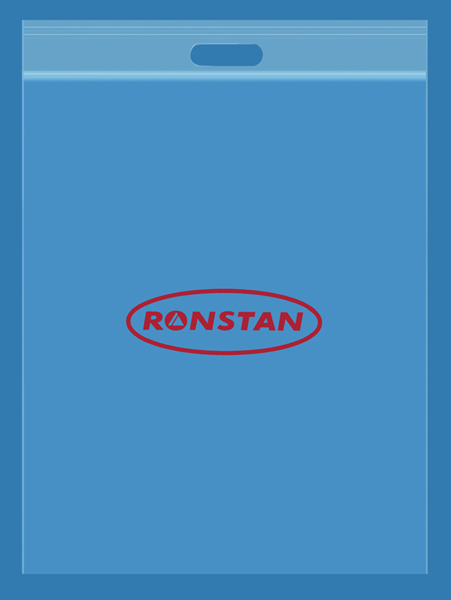
品名:    手提資料袋

材質:    PE透明手提夾鏈袋

尺寸範圍:    寬 100 ~ 600 mm

長 140 ~ 500 mm

厚 0.06~0.12 mm

包裝用途:    手動吊車資料

印刷顏色:    紅單面1色

條件:    1.要套色
夾鍊袋是一種裝食品、文具、化妝品、藥品等各種物品的袋子,具有夾鍊密封的設計。夾鍊袋通常由塑料材料製成,如聚乙烯(PE)或聚丙烯(PP)等,具有耐用、耐磨、防潮等特性。

夾鍊袋的主要特點包括:

  1. 夾鍊密封:夾鍊袋的夾鍊密封設計可以防止物品被污染或損壞,保護物品的品質和安全。

  2. 方便性:夾鍊袋易於開啟和關閉,並且容易攜帶和使用。

  3. 可重複使用:夾鍊袋可以多次使用,減少浪費和對環境的影響。

  4. 多種尺寸和材料:夾鍊袋有不同的尺寸和材料選擇,可以適應不同物品的包裝和儲存需求。

夾鍊袋廣泛應用於各種場合中,如家庭、辦公室、學校、醫療、食品、化妝品等行業中。在家庭中,夾鍊袋通常用於存放零食、蔬菜、水果、文具等物品,以保持它們的新鮮度和保存期限。在辦公室和學校中,夾鍊袋通常用於存放和組織文具、文件、筆記本電腦等物品。在醫療和化妝品行業中,夾鍊袋通常用於包裝和儲存各種產品,如藥品、化妝品、口罩等。在食品行業中,夾鍊袋可以用於包裝各種食品,如糖果、咖啡、茶葉等。由於夾鍊袋具有方便、實用和經濟等特點,因此在各行各業中都有廣泛的應用。


夾鍊袋夾鍊袋

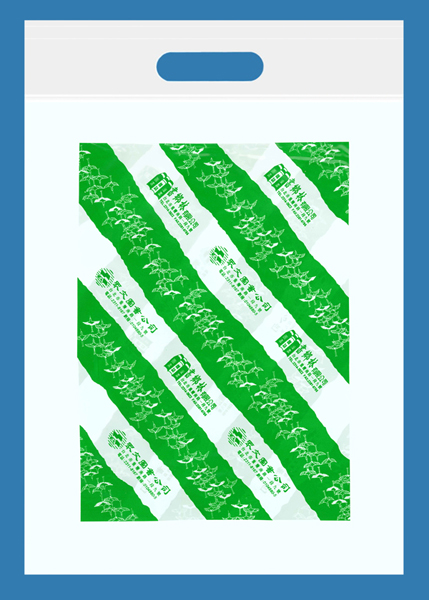
品名:    手提書本袋

材質:    PE手提夾鏈袋

尺寸範圍:    寬 150 ~ 500 mm

長 200 ~ 500 mm

厚 0.06~0.12 mm

包裝用途:    包裝書本、文書資料

印刷顏色:    前:綠1色,後:綠1色

條件:    1.染乳白


夾鍊袋夾鍊袋

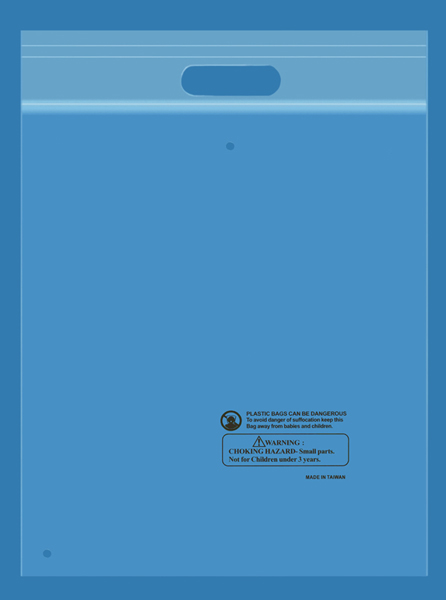
品名:    手提警告標誌袋

材質:    PE透明手提夾鏈袋

尺寸範圍:    寬 100~ 600 mm

長 140~ 500 mm

厚 0.06~0.12 mm

包裝用途:    製造國別、警告標誌、警告標語

印刷顏色:    黑單面1色

條件:    1.夾鏈下中央打一洞

2.左下角打一洞


夾鍊袋夾鍊袋

品名:    手提玩具組件袋

材質:    PE透明手提夾鏈袋

尺寸範圍:    寬 120~ 450 mm

長 140~ 500 mm

厚 0.06~0.12 mm

包裝用途:    玩具組件

印刷顏色:    藍單面1色

條件:    ?


夾鍊袋夾鍊袋

夾鍊袋

品名:    手提標示袋

材質:    PE透明手提夾鏈袋

尺寸範圍:    寬 100~ 600 mm

長 140~ 500 mm

厚 0.06~0.12 mm

包裝用途:    各系列產品說明、注意事項

印刷顏色:    黑單面1色

條件:    ?


夾鍊袋夾鍊袋

品名:    手提扯鈴袋

材質:    PE透明手提夾鏈袋

尺寸範圍:    寬 120~ 350 mm

長 250~ 500 mm

厚 0.06~0.12 mm

包裝用途:    安全扯鈴

印刷顏色:    藍、紅單面2色

條件:    1.左下角打一洞


夾鍊袋夾鍊袋

品名:    手提文書資料袋

材質:    PE手提夾鏈袋

尺寸範圍:    寬 140~ 500 mm

長 160~ 500 mm

厚 0.06~0.12 mm

包裝用途:    文書資料

印刷顏色:    淺綠、藍單面2色

條件:    1.染乳白

2.難套色


夾鍊袋夾鍊袋

品名:    手提產褥墊袋

材質:    PE手提夾鏈袋

尺寸範圍:    寬 140~ 350 mm

長 160~ 350 mm

厚 0.06 ~ 0.1 mm

包裝用途:    產褥墊、孕婦用品

印刷顏色:    前:淺橘、深咖啡色

後:淺橘、深咖啡色

條件:    1.染乳白2.折角40m/m

3.前深淺版,難套色

4.後深淺版,難套色


夾鍊袋夾鍊袋

品名:    手提衛生巾袋

材質:    PE手提夾鏈袋

尺寸範圍:    寬 140~ 350 mm

長 160 ~ 350 mm

厚 0.06 ~ 0.1 mm

包裝用途:    孕婦超薄衛生巾

印刷顏色:    前:淺綠、桃紅色

後:淺綠、桃紅色

條件:    1.染乳白 2.折角40m/m

3.前深淺版,難套色

4.後深淺版,難套色


夾鍊袋夾鍊袋

品名:    手提柔濕巾袋

材質:    PE透明手提夾鏈袋

尺寸範圍:    寬 160~ 500 mm

長 200~ 500 mm

厚 0.06~0.12 mm

包裝用途:    嬰兒護膚柔濕巾

印刷顏色:    白、橘單面2色

條件:    1.難套色


夾鍊袋夾鍊袋

夾鍊袋

品名:    手提產褥墊袋

材質:    PE手提夾鏈袋

尺寸範圍:    寬 140~ 350 mm

長 200~ 350 mm

厚 0.06~ 0.1 mm

包裝用途:    產褥墊

印刷顏色:    前:灰、灰黃、深咖啡色

後:灰、灰黃、深咖啡色

條件:    1.染乳白 2.折角40m/m

3.前深淺版,難套色

4.後深淺版,難套色


夾鍊袋夾鍊袋

夾鍊袋 

品名:    手提襯衫袋

材質:    PE透明手提夾鏈袋

尺寸範圍:    寬 160 ~ 600 mm

長 200~ 500 mm

厚 0.06~0.12 mm

包裝用途:    襯衫

印刷顏色:    紅、黑單面2色

條件:    ?


夾鍊袋夾鍊袋

品名:    手提盥洗用具袋

材質:    PE染色手提夾鏈袋

尺寸範圍:    寬 140~ 600 mm

長 200~ 500 mm

厚 0.06~0.12 mm

包裝用途:    旅社、毛巾盥洗用具

印刷顏色:    金色單面1色

條件:    1.染綠色

2.右上角打一洞


夾鍊袋夾鍊袋

品名:    手提零件資料袋

材質:    PE透明手提夾鏈袋

尺寸範圍:    寬 100~ 500 mm

長 140~ 500 mm

厚 0.06~0.12 mm

包裝用途:    零件資料

印刷顏色:    藍單面1色

條件:    ?


夾鏈袋的多面性:從日常使用到專業應用

夾鏈袋,也稱作拉鏈袋或自封袋,是一種廣泛使用的塑料袋,其特點是袋口具有可重複開合的拉鏈機制。這種設計不僅使夾鏈袋方便實用,而且具有良好的密封性,適用於多種存儲需求。本文將探討夾鏈袋的結構特點、應用領域以及面臨的環保挑戰和未來發展方向。


夾鏈袋的設計與材料

夾鏈袋通常由聚乙烯(PE),特別是低密度聚乙烯(LDPE)製造。LDPE以其柔韌性和透明性而被廣泛用於生產軟性塑料包裝,如夾鏈袋。這種材料不僅使夾鏈袋具有足夠的強度來抵抗撕裂,還能保護內容物免受濕氣、灰塵和其他污染物的侵害。


結構特點

夾鏈袋最顯著的特點是其袋口的夾鏈設計,可實現簡單的開合操作。這種設計不僅便於反復使用,還增強了袋子的密封性,防止內容物洩漏或被外部條件影響。此外,部分夾鏈袋在設計上會加入撕裂線,方便用戶首次開封。


夾鏈袋的應用範圍

家庭和日常生活

在家庭中,夾鏈袋用於存儲食品、組織小件物品,甚至用於分裝旅行用品。由於其優異的密封性,夾鏈袋特別適合存放零食、水果、蔬菜及其他易腐食品,幫助保持食品新鮮。


商業用途

商業上,夾鏈袋用於包裝電子產品、五金配件等。特殊的防靜電夾鏈袋還可以用於包裝敏感的電子元件,防止靜電損害。


醫療行業

在醫療行業,夾鏈袋用於包裝和保護醫療器材、樣本和藥品。這些袋子的透明性讓內容物易於識別,而優異的密封性能則是防止交叉污染的關鍵。


環保挑戰

夾鏈袋雖然方便,但也帶來了環保上的挑戰。作為一次性塑料產品,夾鏈袋的廢棄處理成為了環境保護的一大問題。聚乙烯材料不易降解,如果不當處理,會在自然環境中積累,對生態系統造成威脅。


環保解決方案

為了減少環境影響,部分生產商已開始採用可生物降解或可回收材料製作夾鏈袋。市場上也出現了以玉米澱粉等生物基材料製成的夾鏈袋,這些材料可以在自然條件下較快降解。


未來發展方向

未來,夾鏈袋的生產將更加重視環保和可持續性。隨著新材料技術的發展,我們可以預見到更多使用再生材料和生物可降解材料的夾鏈袋進入市場。此外,隨著消費者對環保產品需求的增加,夾鏈袋的設計和功能也可能會進一步創新,以適應市場的變化。


總之,夾鏈袋作為一種多用途的包裝解決方案,已經深入到我們生活的各個方面。未來,這種產品的發展將需要在實用性與環保之間找到一個平衡點,以實現可持續發展的目標。

夾鏈袋的持續創新與技術進步

隨著技術的不斷進步和市場需求的變化,夾鏈袋的設計和生產正在逐步進行創新,以提供更高效、更環保的解決方案。以下是一些領域中的創新例子:


高性能材料

為了提高夾鏈袋的耐用性和保護性能,新型高性能塑料正在被開發和使用。這些材料旨在提供更好的機械強度和耐化學性,同時保持輕便和透明的特性,使得夾鏈袋更適合包裝重物或化學敏感產品。


智能包裝技術

夾鏈袋的未來發展也可能包括整合智能技術,例如嵌入RFID標籤、溫度感應器或濕度感應器。這些技術可以幫助追踪存儲條件,確保產品質量,特別是在食品和醫藥行業中非常有用。


可持續生產技術

隨著全球對環境問題的關注增加,生產夾鏈袋的過程也在尋求更綠色的替代方案。這包括使用太陽能或其他可再生能源來製造夾鏈袋,以及開發更高效的回收技術來處理生產過程中的廢料和使用後的產品。


多功能設計

為了滿足多樣化的市場需求,夾鏈袋正在演變成具有多功能設計的產品。例如,一些夾鏈袋被設計成可以站立的,方便貯存和展示;其他的則可能具有隔熱或保鮮功能,增加了使用在特定條件下的適應性。


社會與文化影響

夾鏈袋的普及不僅改變了人們的儲存和包裝方式,也在社會和文化層面產生了影響。在消費主義日益盛行的今天,夾鏈袋作為一種便捷的包裝選擇,促進了產品的快速消費和便利性,反映出現代社會對效率和便捷的追求。


然而,這也引發了對過度包裝和一次性塑料使用的關注,促使消費者、製造商和政府在產品設計、使用和回收方面考慮更環保的策略。


結語

夾鏈袋作為一種普遍的消費品,其發展反映了技術進步、市場需求和環境意識之間的相互作用。面向未來,夾鏈袋的創新將需要在提供實用性和便利性的同時,加強環保特性,以達到可持續發展的目標。透過這些努力,夾鏈袋可以繼續在日常生活中發揮其重要作用,同時為保護地球環境做出貢獻。

The Versatility of Zipper Bags: From Everyday Use to Professional Applications

Ziper bags, also known as zipper bags or self-sealing bags, are a widely used type of plastic bag characterized by a reusable zipper mechanism at the opening. This design not only makes zipper bags convenient and practical but also provides excellent sealing, suitable for various storage needs. This article will explore the structural features, application areas, environmental challenges, and future development directions of zipper bags.

Design and Materials of Zipper Bags

Ziper bags are typically made of polyethylene (PE), especially low-density polyethylene (LDPE). LDPE is widely used in the production of flexible plastic packaging, such as zipper bags, due to its flexibility and transparency. This material not only gives zipper bags sufficient strength to resist tearing but also protects the contents from moisture, dust, and other contaminants.

Structural Features

The most prominent feature of zipper bags is their zippered opening, which allows for simple opening and closing. This design not only facilitates repeated use but also enhances the bag's seal, preventing leakage or damage from external conditions. In addition, some zip-lock bags are designed with tear lines for easy initial opening.

Applications of Zipper Bags

Household and Everyday Life

In the home, zip-lock bags are used to store food, organize small items, and even repackage travel goods. Due to their excellent sealing properties, zip-lock bags are particularly suitable for storing snacks, fruits, vegetables, and other perishable foods, helping to keep them fresh.

Commercial Uses

Commercially, zip-lock bags are used to package electronic products, hardware accessories, etc. Special anti-static zip-lock bags can also be used to package sensitive electronic components to prevent electrostatic damage.

Medical Industry

In the medical industry, zip-lock bags are used to package and protect medical equipment, samples, and pharmaceuticals. The transparency of these bags makes the contents easy to identify, while the excellent sealing performance is key to preventing cross-contamination.

Environmental Challenges

While convenient, zip-lock bags also present environmental challenges. As a single-use plastic product, the disposal of zip-lock bags has become a major environmental issue. Polyethylene material is not easily degraded, and if not properly disposed of, it will accumulate in the natural environment, threatening ecosystems.

Environmental Solutions

To reduce environmental impact, some manufacturers have begun using biodegradable or recyclable materials to produce zipper bags. Zipper bags made from bio-based materials such as cornstarch have also appeared on the market; these materials degrade relatively quickly under natural conditions.

Future Development Directions

In the future, the production of zipper bags will place greater emphasis on environmental protection and sustainability. With the development of new material technologies, we can foresee more zipper bags using recycled and biodegradable materials entering the market. Furthermore, as consumer demand for environmentally friendly products increases, the design and functionality of zipper bags may be further innovated to adapt to market changes.

In short, zipper bags, as a multi-purpose packaging solution, have penetrated into all aspects of our lives. In the future, the development of this product will need to find a balance between practicality and environmental protection to achieve sustainable development goals.

Continuous Innovation and Technological Advancement of Zipper Bags

With continuous technological advancements and changing market demands, the design and production of zipper bags are constantly innovating to provide more efficient and environmentally friendly solutions. Here are some examples of innovation in various fields:

High-Performance Materials

To improve the durability and protective performance of ziplock bags, new high-performance plastics are being developed and used. These materials aim to provide better mechanical strength and chemical resistance while maintaining lightweight and transparency, making ziplock bags more suitable for packaging heavy or chemically sensitive products.

Smart Packaging Technology

The future development of ziplock bags may also include the integration of smart technologies, such as embedded RFID tags, temperature sensors, or humidity sensors. These technologies can help track storage conditions and ensure product quality, which is particularly useful in the food and pharmaceutical industries.

Sustainable Production Technologies

With increasing global concern about environmental issues, the production process of ziplock bags is also seeking greener alternatives. This includes using solar energy or other renewable energy sources to manufacture ziplock bags, and developing more efficient recycling technologies to handle waste from the production process and post-use products.

Multi-functional Designs

To meet diverse market demands, ziplock bags are evolving into products with multi-functional designs. For example, some ziplock bags are designed to stand upright for easy storage and display; others may have insulation or preservation functions, increasing adaptability for use under specific conditions. Social and Cultural Impacts

The widespread adoption of resealable bags has not only transformed how people store and package goods, but has also had social and cultural impacts. In today's increasingly consumerist society, resealable bags, as a convenient packaging option, promote rapid product consumption and convenience, reflecting modern society's pursuit of efficiency and ease.

However, this has also raised concerns about over-packaging and the use of single-use plastics, prompting consumers, manufacturers, and governments to consider more environmentally friendly strategies in product design, use, and recycling.

Conclusion
As a ubiquitous consumer product, the development of resealable bags reflects the interplay between technological advancements, market demands, and environmental awareness. Looking to the future, innovation in resealable bags will need to enhance their environmental friendliness while providing practicality and convenience, in order to achieve sustainable development goals. Through these efforts, resealable bags can continue to play an important role in daily life while contributing to the protection of the Earth's environment.